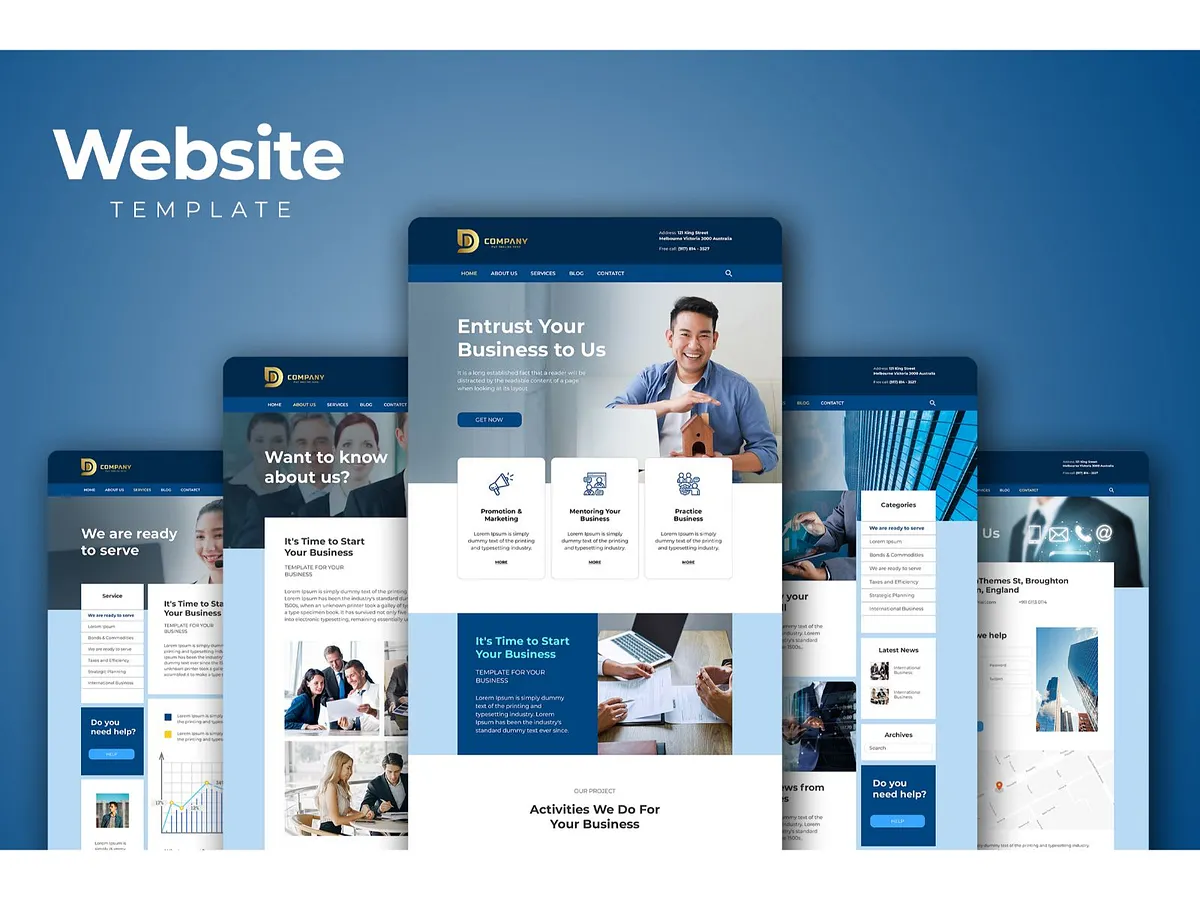
A corporate website should not only represent the company online but also fulfill specific business objectives: describe services, attract customers, accept requests, showcase a portfolio, and build trust in the brand. It’s best to start the development process with the site’s structure. For a small company, a homepage, sections on services, company information, a portfolio or case studies, a blog, and contact information are often sufficient. Larger businesses may need a product catalog, a customer dashboard, CRM integration, online payment, APIs, and other features. Design is no less important. It should reflect the company’s style while remaining user-friendly. Intuitive navigation, readable text, prominent contact buttons, and proper display on smartphones are often more important than complex animations and an abundance of decorative elements. It’s also advisable to consider SEO as early as the development stage. A logical page structure, clear URLs, metadata, optimized images, fast loading times, and high-quality content lay the foundation for the site’s future promotion in search engines. Therefore, you shouldn’t choose a corporate website based solely on its appearance or development cost. A good website is a user-friendly and technically sound tool that can grow alongside your business, with new pages, features, and integrations added over time.
How to choose a corporate website for business